


When it comes to online education platforms, two of the most well-known names are IXL and Khan Academy. Both of these platforms have helped millions of students worldwide improve their skills in various subjects, but each has its unique strengths and weaknesses. In this article, we’ll compare both platforms in detail to help you understand how they work, their features, and why IXL might be the better choice for many students. Whether you’re a parent, teacher, or student, this comparison will provide insight into which platform may suit your learning needs best.
1. What is IXL?
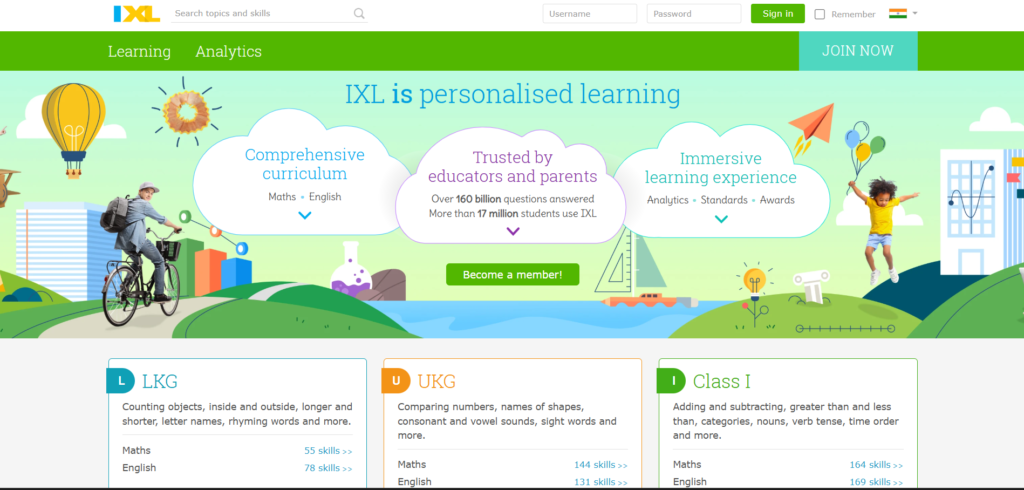
IXL is a subscription-based, personalized learning platform designed for students from Pre-K through 12th grade. It covers subjects such as Math, Language Arts, Science, Social Studies, and even Spanish. IXL stands out because it provides a highly personalized learning experience based on continuous assessments, ensuring that each student is engaged at the right level.
The platform’s main focus is on practice and mastery. It adapts to a student’s level as they answer questions, gradually becoming more difficult as they progress. This makes IXL a great choice for students who need repetitive practice to fully grasp concepts.
2. What is Khan Academy?
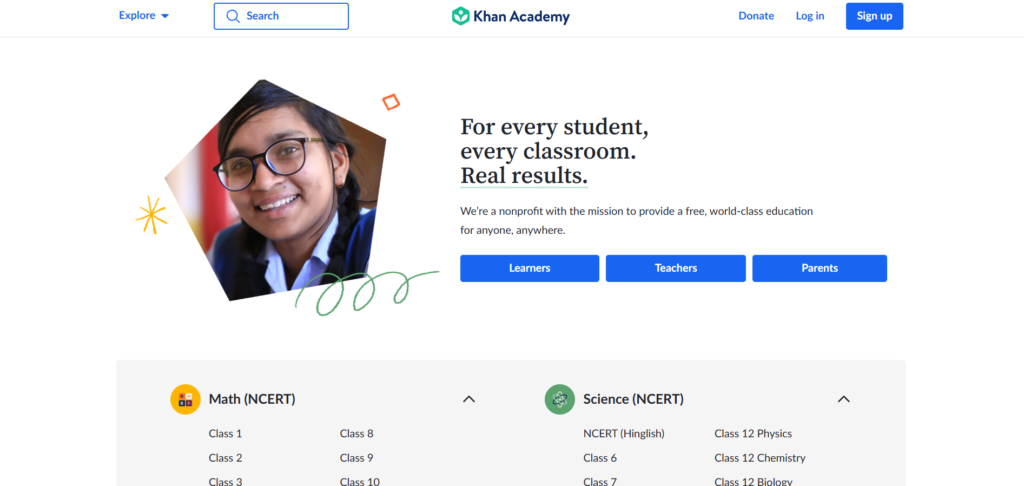
On the other hand, Khan Academy is a free, non-profit online platform offering lessons and practice exercises in a wide range of subjects, including Math, Science, Economics, Humanities, and more. Unlike IXL, which focuses on skill practice and mastery, Khan Academy is more content-driven, providing instructional videos along with exercises to help students learn concepts.
The platform is structured to guide students through topics from the basics to advanced levels. It also uses a self-paced learning model, meaning students can jump between topics and skip ahead to areas of interest. The main draw of Khan Academy is its accessibility and wealth of free content for learners of all ages.
3. Curriculum Coverage and Depth
When it comes to curriculum coverage, both IXL and Khan Academy provide extensive materials across various subjects. However, they do so in very different ways.
IXL
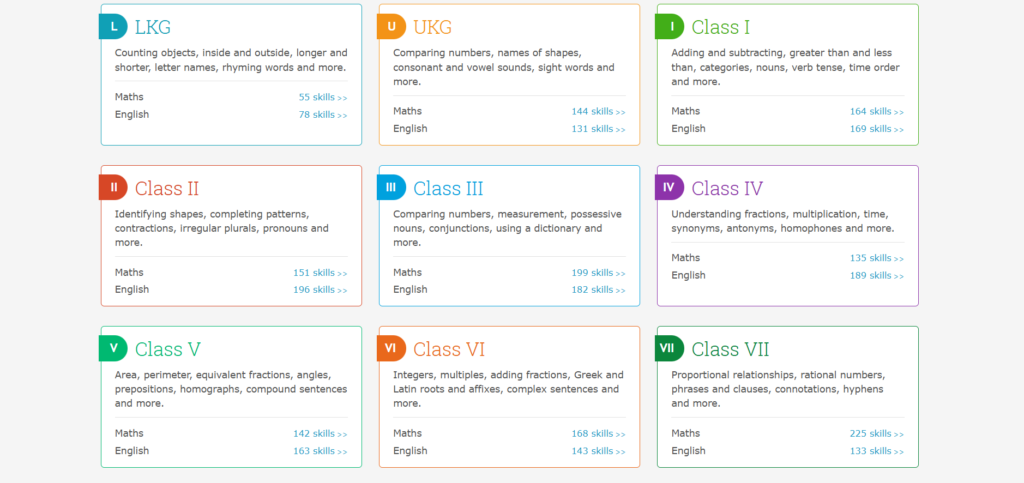
IXL is incredibly detailed when it comes to breaking down each subject. For example, in math, the platform covers everything from simple addition and subtraction in early grades to complex calculus and algebra concepts in high school. The real advantage of IXL is its granular approach—each topic is broken into multiple sub-topics and skills. This allows students to focus on mastering individual skills before moving to the next.
Khan Academy
While covering a similar range of subjects, organizes its content into broader topics. Instead of breaking concepts into micro-skills, Khan Academy offers lessons that cover large chunks of material at once. This can be great for building foundational knowledge, but it may not provide as much opportunity for targeted practice and mastery in the way that IXL does.
4. Teaching Methodology
Both platforms use different teaching methodologies to help students learn, and these methods reflect their core philosophies.
IXL’s Approach
IXL’s method is centered on continuous practice and mastery. The platform uses interactive exercises that challenge students to apply what they’ve learned in various contexts. It adjusts the difficulty of questions based on how well the student answers, offering more challenging questions as they progress.
For those who struggle with certain concepts, IXL offers instant feedback and explanations for incorrect answers, helping students understand their mistakes immediately. This approach is excellent for students who need consistent reinforcement and practice to truly master a topic.
Khan Academy’s Approach
Khan Academy takes a different approach by focusing on conceptual understanding through instructional videos. Each lesson starts with a video explaining the core concepts, and then students can follow up with practice exercises to test their understanding.
The video format is ideal for visual learners who need to see a concept in action before attempting it on their own. However, some users have mentioned that Khan Academy’s exercises sometimes don’t provide the same level of depth as IXL’s interactive questions.
While videos are great for understanding the “why” behind a concept, they don’t always offer enough practice to ensure mastery.
5. Personalization and Adaptability
One of the biggest strengths of IXL is its personalized learning system. The platform offers a diagnostic test that assesses a student’s current knowledge level. Based on the results, IXL tailors its exercises to meet the student’s needs. As students continue using the platform, it tracks their progress, adjusts the difficulty of tasks, and provides insights into areas of strength and weakness. This adaptability helps keep students engaged and ensures they are always challenged at the right level.
While Khan Academy also allows students to work at their own pace, it lacks the same level of personalization that IXL offers. Khan Academy’s dashboard is designed to track progress, but it doesn’t have the same adaptive learning system that adjusts difficulty based on performance. Instead, Khan Academy provides a linear structure that students can follow, with videos and practice exercises associated with each topic.
6. User Engagement and Motivation
Both IXL and Khan Academy use gamification to keep students engaged, but their approaches differ.
IXL’s Approach
IXL incorporates rewards in the form of virtual medals, awards, and prizes to motivate students. These rewards are based on milestones like completing a certain number of questions or mastering a skill. This gamified system provides immediate gratification for progress, keeping students engaged and motivated.
Khan Academy’s Approach
Khan Academy uses a badge system and energy points to motivate students. For every task completed, students earn points and unlock badges. This system is fun and adds an element of accomplishment, but some users feel that the rewards are less meaningful compared to IXL’s system. The focus of Khan Academy is more on intrinsic motivation (the joy of learning) rather than external rewards.
7. Progress Tracking and Analytics
Another area where IXL shines is in its detailed progress tracking and analytics. The platform provides users (and parents or educators) with in-depth reports that break down exactly what skills a student has mastered, which areas need improvement, and how their performance compares to other students. This level of detail is invaluable for pinpointing areas of weakness and creating a focused learning plan.
Khan Academy, while offering progress tracking and reports, doesn’t provide the same level of granular detail. It tracks whether students have completed certain tasks and offers a progress bar, but it doesn’t go as deep into analysis as IXL does. Parents and teachers may find this less helpful when trying to assess a student’s specific needs.
8. Pricing: Free vs. Subscription
One major difference between the two platforms is pricing.
| Feature | IXL | Khan Academy |
|---|---|---|
| Pricing | Subscription-based | Free |
| Cost (Monthly) | $19.95 per month (for individual) | Free (entire site) |
| Cost (Annual) | $159 per year | Free |
| Free Trial | 14-day free trial | Free access to all content |
| Content Variety | 8000+ skills across multiple subjects | Extensive but focused mainly on core subjects (Math, Science, History, etc.) |
| Access to Resources | Limited to subscription; more content with paid plan | Fully accessible for all users, free to use |
| Features & Interactivity | Personalized learning paths, progress tracking, and rewards | Videos, quizzes, and explanations without personalized paths |
| Support for Students | Adaptive learning, real-time feedback | Structured learning, but less adaptive |
| Teacher Tools | Advanced reporting, skill tracking | Basic tracking and reporting |
| Customization | Highly customizable lessons and activities | Less flexibility in lesson structure |
| User Experience | More gamified and interactive with detailed tracking | More straightforward, but less personalized |
Verdict:
Personalization and Adaptivity: IXL’s adaptive learning system customizes lessons based on the learner’s strengths and weaknesses. This allows for a more tailored educational experience, adjusting in real time as students progress. Khan Academy doesn’t offer the same level of personalized feedback.
Comprehensive and In-depth Content: With over 8,000 skills across various subjects, IXL offers a broader curriculum for K-12 students. Khan Academy does offer a lot of content, but its focus is mainly on Math, Science, and a few other subjects, whereas IXL spans many more topics.
Advanced Tracking and Reporting: IXL provides detailed tracking of progress, skill gaps, and performance analytics, which is valuable for teachers and parents who want to closely monitor students. While Khan Academy has basic progress tracking, it lacks the depth and detail that IXL provides for comprehensive assessment.
Gamification and Motivation: IXL’s gamified learning environment—such as earning rewards, receiving immediate feedback, and setting personalized goals—makes it more engaging and motivating for students. This can be a big advantage over Khan Academy, which primarily focuses on videos and quizzes, without much reward-based interaction.
Professional Tools for Educators: IXL provides teachers with detailed reports, giving them insight into student performance and areas needing attention. This is a key feature for schools and teachers looking to implement data-driven instruction, which Khan Academy lacks in comparison.
Overall, while Khan Academy is free and offers fantastic resources, IXL’s premium features—such as personalized learning paths, tracking tools, and in-depth analytics—make it a more value-rich option for those seeking a comprehensive, interactive, and tailored learning experience.
Pros & Cons of IXL vs Khan Academy
IXL Pros:
- Adaptive learning that personalizes lessons.
- Extensive content across many subjects.
- Real-time feedback and progress tracking.
- Gamified learning experience to keep students engaged.
- Detailed reports for teachers and parents.
IXL Cons:
- Subscription-based, requires payment.
- Less free content compared to other platforms.
Khan Academy Pros:
- Completely free access to all content.
- Offers high-quality videos and lessons in core subjects.
- Provides quizzes and progress tracking.
- Simple and easy-to-use interface.
Khan Academy Cons:
- Less interactive and gamified compared to IXL.
- Primarily focused on Math, Science, and a few other subjects.
- Lacks personalized learning paths for individual students.
9. Why IXL Wins
After considering all aspects of both platforms, it’s clear why IXL stands out as the better choice for many students. Here are the main reasons why:
Personalized Learning: IXL’s adaptive learning system is incredibly effective at meeting each student where they are, ensuring they’re always working at the right level of difficulty. This personalized approach leads to better learning outcomes compared to Khan Academy’s more static structure.
Depth of Content: IXL’s extensive breakdown of skills allows students to master each topic thoroughly. This granular approach helps reinforce learning and ensures mastery before moving on to new material.
Progress Tracking: The detailed analytics provided by IXL are invaluable for parents and teachers who want to monitor progress closely. The data allows them to make informed decisions about what areas to focus on.
Engagement: IXL’s reward system keeps students motivated and engaged. The gamified experience helps students stay focused and encourages them to keep progressing.
The Final Verdict
In conclusion, while Khan Academy is a fantastic free resource for learning and offers valuable video-based content, IXL’s tailored learning experience, detailed progress tracking, and gamified rewards make it the top choice for students who need more than just instructional videos. If you’re looking for a platform that offers deep, personalized learning and helps students truly master their skills, IXL is the clear winner.
FAQ’s
Is IXL better than Khan Academy for personalized learning?
Yes, IXL offers adaptive learning paths that adjust to each student’s needs.
Is Khan Academy really free?
Yes, Khan Academy provides completely free access to its lessons and resources.
Can I track my child’s progress on Khan Academy?
Yes, Khan Academy provides basic progress tracking, but with fewer details than IXL.
Do IXL and Khan Academy cover the same subjects?
No, IXL covers a broader range of subjects, while Khan Academy mainly focuses on Math and Science.
Does IXL offer a free version?
IXL offers a limited free trial, but full access requires a paid subscription.